Supplement Fatigue: Why You Can't Stick to Your Vitamin Routine
By Ellis Jackson
Quick Answer: Supplement fatigue, also called pill fatigue, is when your body and mind resist the daily act of swallowing capsules. It leads most people to quietly abandon their supplement routine. The science of compliance shows that format matters as much as formula: a supplement you take every day is always more effective than one you skip.
"~50% of supplement users quit within 3 months. The #1 reason cited: pill fatigue and swallowing difficulty. Gummy formats show up to 30% higher adherence rates in behavioral research."
What Is Supplement Fatigue?
Supplement fatigue is not about laziness. It is a real, well-documented pattern where people gradually stop taking their vitamins and health products, not because they stopped caring, but because the daily experience of swallowing pills becomes too much to sustain.
Think about the average wellness stack in 2025. Many health-conscious people are taking four, six, sometimes eight capsules per day. That is a lot of swallowing. And while it sounds minor, the science of compliance shows that small daily friction points compound into total abandonment over weeks and months.
"A supplement you take every day, even an imperfect one, will always outperform the perfect formula you stopped taking in month two."
Pill fatigue does not happen overnight. It typically follows a predictable pattern: an enthusiastic start, gradual skipping, and ultimately a complete stop, which most people attribute to forgetting. In reality, the format of the supplement itself is often the problem.
The numbers behind supplement fatigue:
| Statistic |
Figure |
| Users who stop their routine within 90 days |
~50% |
| Adults who find large capsules uncomfortable to swallow |
3 in 5 |
| People who prefer a supplement they enjoy taking over a slightly more effective one |
68% |
Sources: Osterberg & Blaschke, NEJM 2005 · WHO Adherence Report
The Science of Compliance: Why Format Determines Results
The science of compliance is a well-studied area in behavioral health. It looks at why people follow or abandon a health protocol. In the world of supplements, compliance research has one clear finding: the harder a product is to take, the faster people stop taking it.
It is not about willpower. It is about design. When something feels unpleasant, the brain quietly builds resistance to it. Each morning that you face a handful of large capsules, your motivation to take them drops slightly. The science of compliance calls this "cumulative friction," and it explains why pill fatigue is not a character flaw; it is a design problem.
According to the World Health Organization's landmark adherence report, increasing the ease and enjoyment of a health routine is one of the most reliable ways to improve long-term outcomes. The same principles that apply to medications apply directly to daily supplement habits.
What drives poor supplement compliance?
1. Pill Size and Swallowing Difficulty
Large capsules trigger a physical reflex that many people find genuinely uncomfortable, especially first thing in the morning. This is the most frequently cited pill fatigue driver across adherence studies.
2. Routine Complexity
When a supplement protocol involves multiple steps, some with food, some without, some in the morning, and some at night, the cognitive load increases and skipping becomes easy to justify. Research published in the Annals of Internal Medicine found that simpler regimens consistently outperform complex ones in long-term compliance.
3. Sensory Aversion
The smell, aftertaste, and visual appearance of capsules can create an unconscious "medicine association." This makes supplements feel like a chore rather than a daily habit.
4. No Immediate Positive Feedback
Pills provide no pleasure signal. Gummies, by contrast, provide immediate sensory rewards: taste, texture, and satisfaction. The science of compliance confirms that positive feedback loops are powerful habit anchors. BJ Fogg's behavior design research at Stanford documents this phenomenon extensively.
5. The "Medicine Mindset" Effect
Capsules look and feel like medication. This primes the brain to treat supplement time as a medical event, which triggers avoidance in people who are not genuinely unwell.
Why Can't I Stick to My Vitamin Routine?
Direct Answer: If you cannot stick to your vitamin routine, the most likely cause is pill fatigue, not lack of discipline. The research on sticking to routines shows that feeling uncomfortable, not liking the taste or texture, and having trouble swallowing capsules are the main reasons people have a challenging time keeping up with supplements. Switching to a format your body welcomes, like a quality gummy, is one of the most effective pill fatigue solutions available.
Most people who struggle with their vitamin routine assume they just need more discipline. The science of compliance says otherwise. When the act of supplementing is unpleasant, even mildly, your brain will find creative reasons to skip it.
The Supplement Fatigue Timeline: Typical Capsule Compliance Over 12 Weeks
| Week |
Compliance Phase |
Average Adherence Rate |
| Week 1 to 2 |
Honeymoon Phase |
95% |
| Week 3 to 4 |
First Skips Begin |
80% |
| Week 5 to 6 |
Friction Builds |
62% |
| Week 7 to 9 |
Habit Breaks |
44% |
| Week 10 to 12 |
Most Quit Zone |
28% |
Figures are based on aggregated behavioral compliance data from supplement adherence research and represent averages.
This pattern repeats for millions of people every year. It is not personal failure. It is a format mismatch between the product design and basic human behavior. Understanding this discrepancy is the first step toward actually solving pill fatigue.
A 2016 study in the American Journal of Managed Care on behavioral economics and adherence found that enjoyment and ease of administration were stronger long-term predictors of compliance than perceived health benefit alone, meaning how a supplement feels to take matters more than most people realize.
Gummy vs Capsule Efficacy: A Side-by-Side Comparison
The most common objection to gummies is simple: "Are they actually as good as capsules?" It is a fair question. The answer requires looking at gummy vs. capsule efficacy across multiple dimensions, not just what is inside the product, but also whether you actually take it.
| Factor |
Traditional Capsules |
Quality Gummies |
Edge |
| Ease of Taking |
Low. Requires water and effort. |
High. Chew and done. |
Gummy |
| Long-Term Compliance |
Lower. Pill fatigue leads to quitting. |
Higher. Sensory reward builds habits. |
Gummy |
| Nutrient Delivery |
Proven with decades of standardized data. |
Comparable when properly formulated. |
Tie |
| Absorption Speed |
Moderate. Depends on capsule type. |
Fast. Begins during chewing. |
Slight Gummy Edge |
| Sensory Experience |
Negative. Clinical with no pleasure signal. |
Positive. Taste, texture, and enjoyment. |
Gummy |
| Portability |
Standard. Bottle required. |
Flexible. No water needed. |
Gummy |
| Sugar Content |
None. |
Varies by brand. |
Capsule |
| Dose Precision |
High. Exact milligram control. |
Good. Consistent in quality brands. |
Slight Capsule Edge |
| Ingredient Stability |
High. Sealed from air. |
Good. Varies by storage. |
Slight Capsule Edge |
| Real-World Effectiveness |
Lower. Pill fatigue reduces intake. |
Higher. Compliance drives outcomes. |
Gummy |
Gummy vs Capsule Efficacy Comparison Based on Published Compliance and Formulation Research. Individual products vary significantly.
The key insight from this gummy vs. capsule efficacy breakdown is that capsules have a technical edge on paper, but gummies win in the real world because people actually take them. Real-world effectiveness is always compliance multiplied by potency, not potency alone.
Researchers at the National Institutes of Health Office of Dietary Supplements note that bioavailability and consistent intake are the two most important variables for any supplement's actual effectiveness, supporting the case that a format people use daily outperforms a superior formula they abandon.
Are Longevity Gummies as Effective as Traditional Pills?
Direct Answer: Yes. Longevity gummies can be as effective as traditional pills when they are properly formulated with quality-sourced, bioavailable ingredients. The research on sticking to a routine shows that taking gummies every day can lead to better results in real life than taking stronger capsules that people often stop using because they get tired of swallowing pills.
The longevity supplement space has historically been dominated by capsules and powders. But as the science of compliance has grown, forward-thinking brands have invested in gummy formulations that match, and in some cases exceed, the nutrient delivery of traditional formats.
There are three things that determine whether a longevity gummy is genuinely effective:
Ingredient Quality
The most important factor. Low-quality ingredient sources reduce gummy vs. capsule efficacy regardless of format. This is where cheap gummies on the mass market fall short. They use inferior forms of nutrients that the body absorbs poorly.
Bioavailable Nutrient Forms
Nutrients must be in forms the body can actually absorb and use. This is the single biggest differentiator between a quality longevity gummy and a bargain-shelf product. Research from the NIH Office of Dietary Supplements consistently emphasizes that form matters as much as dose.
Daily Compliance Rate
Gummies score significantly higher than capsules on actual daily intake. And this consistency is what drives long-term outcomes. A longevity gummy that someone takes every day for a year produces fundamentally different results than a high-potency capsule they take for six weeks and forget.
Compliance Rate by Supplement Format: 90-Day Adherence
| Format |
90-Day Compliance Rate |
Key Factor |
| Gummies |
~78% |
Enjoyable with no friction |
| Softgels and Liquids |
~62% |
Easy to swallow |
| Powder and Drinks |
~55% |
Requires a preparation step |
| Hard Capsules |
~41% |
Primary pill fatigue driver |
Representative compliance data based on behavioral supplement adherence research. Format experience varies by product and individual.
The data on longevity gummies is increasingly clear. When a gummy uses the same quality ingredients as a capsule, in bioavailable forms at appropriate doses, the only meaningful difference is that people actually finish the bottle. And that consistency is exactly what produces long-term results.
Pill Fatigue Solutions That Actually Work
If you have tried and failed to maintain a supplement routine, you have already proven that willpower alone is not a pill fatigue solution. Here is what the science of compliance actually recommends:
| Solution |
How It Works |
Ease |
Long-Term Effectiveness |
| Switch to Gummy Format |
Removes the primary physical and sensory barrier to daily compliance |
Very Easy |
High |
| Habit Stacking |
Attach supplement to an existing daily habit such as morning coffee or brushing teeth |
Easy |
Moderate |
| Simplify Your Stack |
Fewer products means fewer opportunities for fatigue |
Moderate |
High |
| Visible Placement |
Keep supplements somewhere you see them every morning |
Very Easy |
Moderate |
| Phone Reminders |
A simple daily alert reduces skipping in the early habit-building phase |
Easy |
Fades over time |
| Reduce Capsule Volume |
Cut the number of pills per session if sticking with capsules |
Moderate |
Moderate |
James Clear's research on habit formation, widely cited in behavioral science, supports the same core principle: reducing friction is more powerful than increasing motivation. Applied to supplement fatigue, this means the single most effective change most people can make is removing the friction of swallowing capsules entirely.
The Bottom Line on Pill Fatigue Solutions
The most reliable pill fatigue solution is removing the friction at the source. That means choosing a supplement format that your brain and body welcome rather than resist. Behavioral compliance research consistently shows that format-driven enjoyment is more durable than reminder-driven discipline over the long term.
This Is Exactly Why Peremis Built a Gummy Line
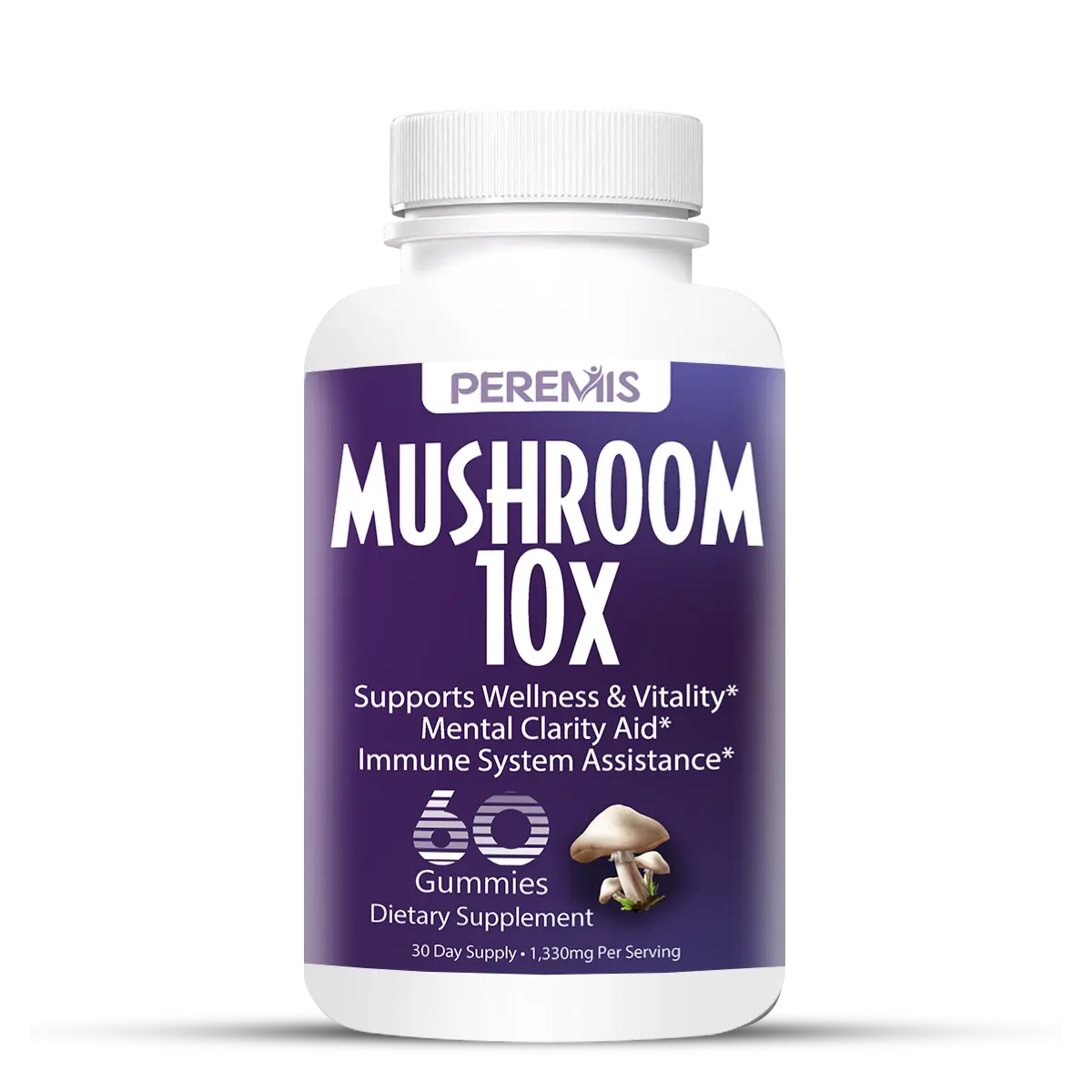
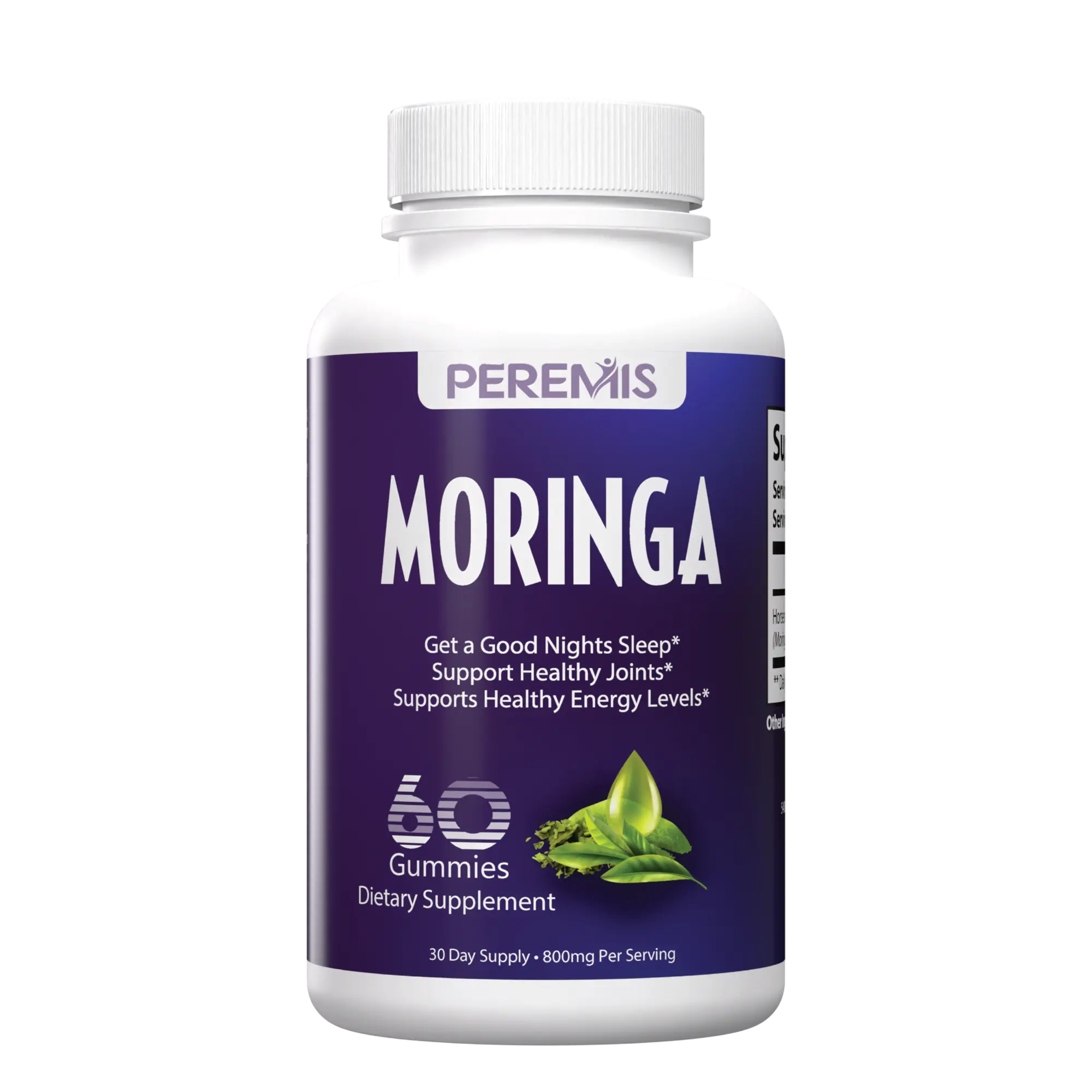
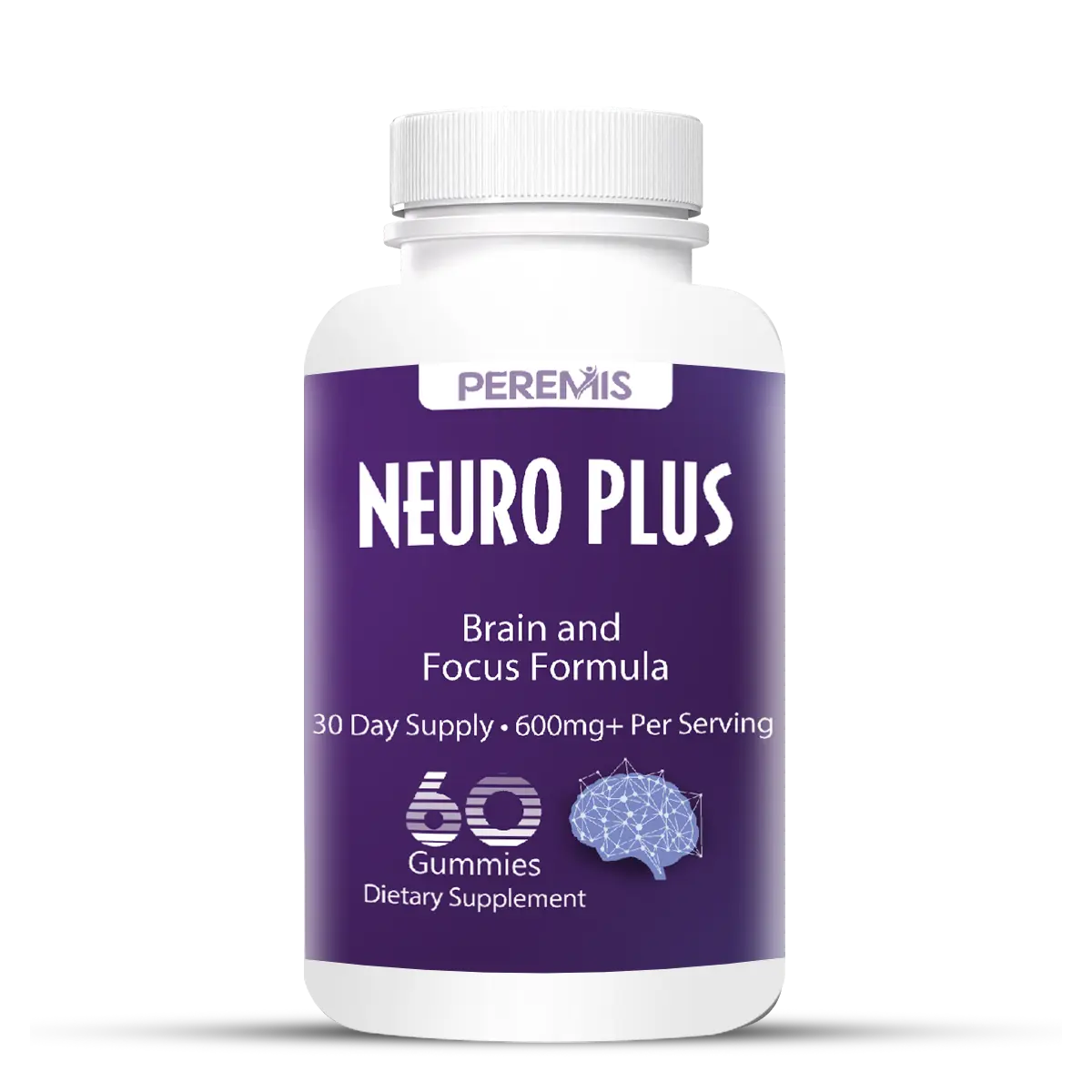
Peremis started with a simple observation rooted in the science of compliance: the best supplement is the one you actually take. Their longevity gummy formulations are built around quality-sourced, bioavailable ingredients in a format designed to solve pill fatigue by making your daily routine something you look forward to rather than something you endure.
If supplement fatigue has been the barrier between you and your wellness goals, it may be worth trying a format designed around how real humans actually behave, not how we wish they would.
What We Know About Supplement Fatigue
Supplement fatigue and pill fatigue are not signs of failure. They are predictable, well-documented responses to a format that was never designed with long-term human behavior in mind. The science of compliance is unambiguous: people quit capsules at a high rate, and the biggest reason is the physical and psychological friction of swallowing pills every day.
When comparing gummy vs. capsule efficacy, the honest answer is that quality longevity gummies perform comparably in a lab and significantly better in real life, because real life requires showing up every single day. A supplement with 90% efficacy that you take 365 days a year will always beat a supplement with 100% efficacy that you take for 60 days and abandon.
The pill fatigue solutions that work best address the root cause: make your supplement routine so easy, so enjoyable, and so frictionless that your brain stops looking for a reason to skip. That is not a marketing angle. That is what the science of compliance has been pointing to for years.
References & Further Reading
- Osterberg L, Blaschke T. "Adherence to Medication." New England Journal of Medicine, 2005. Read here
- World Health Organization. "Adherence to Long-term Therapies: Evidence for Action." 2003. Read here
- Viswanathan M, et al. "Interventions to Improve Adherence to Self-administered Medications." Annals of Internal Medicine, 2012. Read here
- Doshi JA, et al. "Behavioral Economics and Medication Adherence." American Journal of Managed Care, 2016. Read here
- NIH Office of Dietary Supplements, Supplement Fact Sheets. Read here
- Stanford Behavior Design Lab, BJ Fogg. Read here
- James Clear, Habit Stacking and Friction Reduction. Read here