
The Gut Microbiome: A Practical Guide to Understanding Your Inner Ecosystem
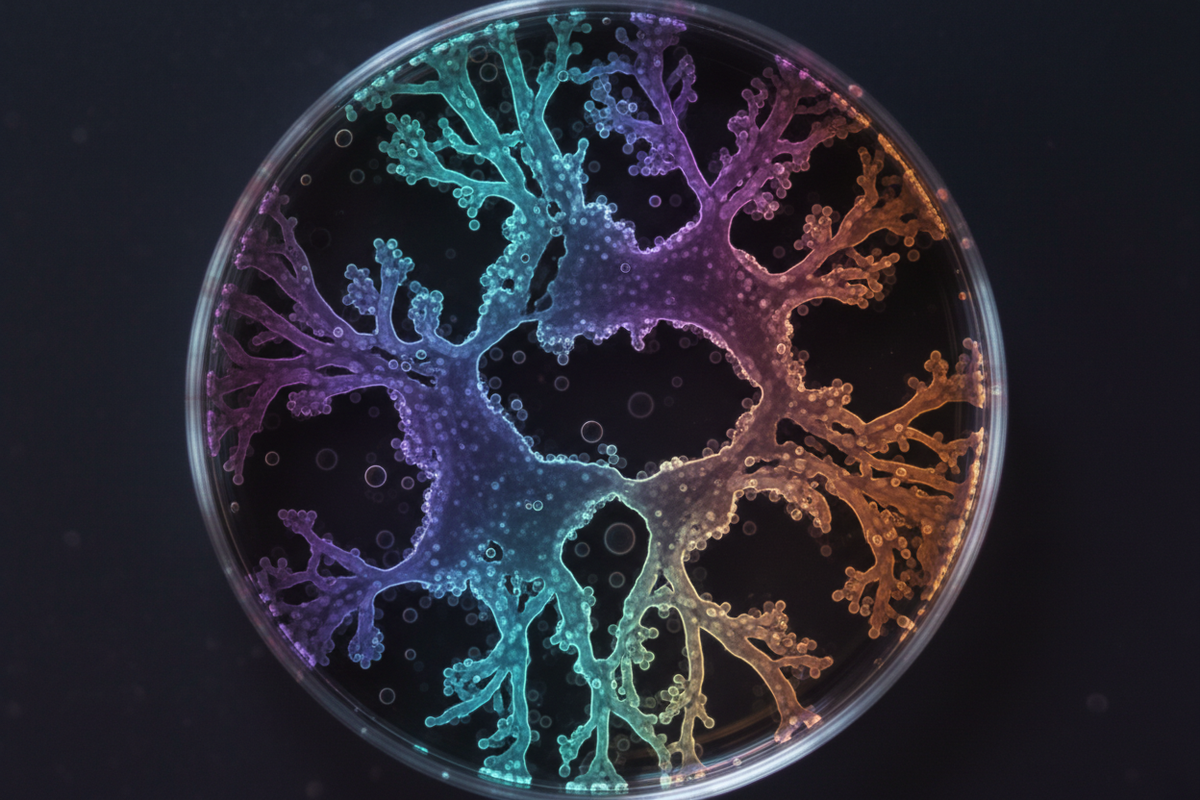
The gut microbiome is one of the most actively researched topics in medicine. In the past fifteen years, we have shifted our understanding of the trillions of microorganisms living in the human digestive tract from treating them as passive passengers to recognizing them as active participants in immune function, metabolism, brain chemistry, hormonal balance, and more. What was once considered plumbing is now understood as an ecosystem that has a meaningful influence on virtually every aspect of health.
This framework helps you understand the microbiome, what affects it, and how to support it.
What the Gut Microbiome Actually Is
The human gut microbiome refers to the collective community of microorganisms, primarily bacteria but also fungi, viruses, archaea, and parasites, that live in the gastrointestinal tract. The vast majority are in the colon. Estimates put the number of microbial cells in the gut at approximately 38 trillion, which is roughly equal to the number of human cells in the body.
These microbes are not uniform. The microbiome contains thousands of distinct species, and the composition of that community varies enormously between individuals. Your microbiome is influenced by how you were born (vaginal vs. cesarean delivery affects early microbial seeding), whether you were breastfed, your diet throughout life, antibiotic exposures, where you live, your stress history, and your genetics. No two people have an identical microbiome.
What a Healthy Microbiome Does
The functions of a healthy gut microbiome are extensive. Fermentation of dietary fiber into short-chain fatty acids (butyrate, propionate, acetate) produces the primary fuel source for the cells lining the colon wall and has anti-inflammatory effects throughout the body. The microbiome plays a critical role in immune development and regulation. About 70% of the immune system surrounds the gut, and the microbiome is in constant dialogue with it, training immune cells to distinguish between threats and harmless inputs.
Gut bacteria synthesize vitamins, including vitamin K2 and several B vitamins. They regulate intestinal motility. They maintain the integrity of the gut barrier, the physical and immune barrier between the intestinal contents and the bloodstream. And they communicate with the brain through the gut-brain axis, influencing mood, stress response, and cognitive function through neural, hormonal, and immune signaling pathways.
What Disrupts the Microbiome
Antibiotics are the most powerful and commonly used disruptors of the microbiome. They are essential for treating bacterial infections and save lives, but they are not selective. They eliminate both pathogenic and beneficial bacteria, and recovery of pre-antibiotic microbiome composition can take months to years, sometimes incompletely. This is not a reason to avoid antibiotics when medically indicated, but it does point out the need for active microbiome restoration afterward.
Diet is the most consistent daily influence on microbiome composition. Ultra-processed food has very little fiber and fermentable substrate for good bacteria, but it does have simple sugars that feed bad bacteria and yeast. A diet high in plant diversity, fiber, and fermented foods consistently produces higher microbial diversity, which is the most robust marker of a healthy microbiome in research.
Chronic stress alters gut motility and permeability, reduces beneficial microbial populations, and shifts the community toward species associated with inflammation. Sleep deprivation has similar effects. Both of these demonstrate the bidirectionality of the gut-brain relationship: just as the gut influences the brain, the brain's stress state influences the gut.
Diversity: The Key Metric
Microbial diversity is the most consistently supported marker of microbiome health in research. Higher species diversity is associated with better metabolic health, immune resilience, lower inflammatory markers, and reduced risk of numerous chronic conditions. Lower diversity is a consistent finding in people with obesity, type 2 diabetes, IBD, autoimmune conditions, and depression.
The single most powerful dietary driver of microbial diversity is the variety of plants you eat. Research from the American Gut Project found that people who eat more than 30 different plant foods per week have significantly higher microbiome diversity than those eating fewer than 10 types. Each plant species provides a different fiber and phytonutrient profile that feeds different microbial populations.
Fermented Foods vs. Probiotics
Both fermented foods and probiotic supplements introduce live beneficial bacteria into the gut, but through different mechanisms with different outcomes. A Stanford study published in Cell in 2021 directly compared high-fermented-food and high-fiber diets over ten weeks and found that fermented foods produced greater increases in microbiome diversity and greater reductions in inflammatory markers than fiber alone.
Fermented foods (yogurt with live cultures, kefir, kimchi, sauerkraut, kombucha, miso) introduce a diverse array of live bacteria along with their metabolic products (organic acids, enzymes, and other bioactive compounds). Probiotic supplements deliver specific, identified strains in high concentrations. Both have a role. Fermented foods are better for general diversity maintenance. Specific probiotic strains are more targeted for particular conditions (post-antibiotic recovery, IBS, specific immune applications).
Prebiotics: Feeding What You Have
Prebiotics are fibers that selectively feed beneficial bacteria. The most studied include inulin and FOS (fructooligosaccharides) from garlic, onion, leeks, asparagus, and chicory root. Pectin from fruits and resistant starch from cooked-and-cooled potatoes, green bananas, and legumes are also important prebiotic substrates. Eating a diet rich in diverse plant foods naturally provides prebiotics without requiring supplementation.
For people whose diet is low in plant diversity, prebiotic fiber supplements (inulin, psyllium, partially hydrolyzed guar gum) can meaningfully support beneficial microbial populations. Introduction should be gradual to allow the microbiome to adapt, since sudden large increases in fermentable fiber can cause temporary gas and bloating as microbial populations adjust.
Practical Actions for a Healthier Microbiome
Aim for 30 different plant foods per week. This sounds like more than it is. A handful of mixed nuts counts as multiple plant foods. A salad with five different vegetables, a smoothie with three fruits, a curry with legumes and vegetables, and mixed grain dishes quickly accumulate plant diversity. Track it for a week to calibrate your baseline.
Include fermented foods regularly. Adding one fermented food per day (kefir in the morning, kimchi with lunch, yogurt as a snack) is practical and consistent with the research showing diversity benefits from regular fermented food consumption.
Minimize unnecessary antibiotic use. When antibiotics are medically necessary, actively restore the microbiome afterward with a combination of fermented foods, prebiotic-rich plant foods, and targeted probiotic supplementation for at least four to eight weeks.
Manage stress and prioritize sleep. The gut-brain axis means that your microbiome responds to your psychological state. Chronic stress and poor sleep produce measurable microbiome changes that undermine what dietary interventions are trying to accomplish.
Frequently Asked Questions
How long does it take to change the gut microbiome?
Measurable changes in microbial composition occur within three to five days of significant dietary change. Sustained compositional shifts reflecting a new dietary pattern take weeks to months. For recovery after antibiotics or significant disruption, full restoration can take six months to over a year, and may require active support.
Are expensive probiotic supplements worth it?
For general microbiome support, fermented foods are more effective at building diversity than probiotic supplements and are significantly cheaper. Probiotic supplements are most evidence-backed for specific applications: post-antibiotic recovery (Lactobacillus and Bifidobacterium species), IBS (several specific strains), and particular immune applications. For targeted use, strain specificity and potency matter more than price.
What kills gut bacteria?
Antibiotics are the most significant. Chronic alcohol use, very low-fiber diets, emulsifiers in processed food (carboxymethylcellulose and polysorbate 80 in research), chronic stress, and consistent use of proton pump inhibitors (acid suppressors) all negatively affect beneficial gut bacteria. The good news is that the microbiome is responsive and recovers with consistent positive inputs.
This content is for educational purposes only. Gut health concerns including IBS, IBD, or significant digestive symptoms should be evaluated by a healthcare provider.