
Best Berberine Supplement in 2026: A Complete Buyer's Guide
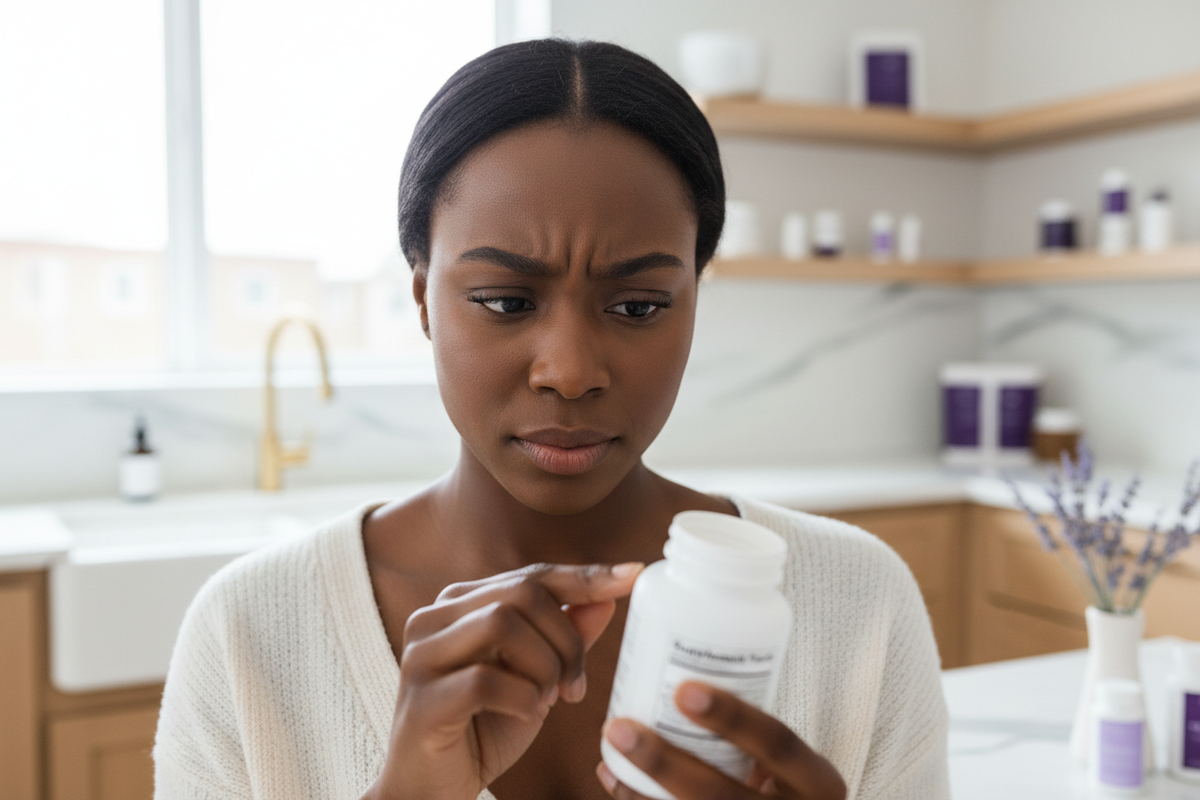
You have probably seen berberine everywhere lately. It shows up in wellness reels, group chats, and more than a few late night searches after a heavy dinner. The internet loves a shortcut, and berberine has quietly become the shortcut of the moment for people who want steadier energy and better blood sugar balance. So it is worth asking the honest question: which berberine supplement is actually worth buying in 2026, and what should you look for before you spend a cent?
Quick answer: The best berberine supplement in 2026 is one that lists a clear dose (most research uses around 500 mg taken two to three times daily), uses a well absorbed form, is made in a cGMP facility with third party testing, and skips proprietary blends and stimulant fillers. If you would rather keep things simple with a plant based option built for daily blood sugar and metabolic support, Peremis Blood Sugar Defense is a one a day, stimulant free capsule made for steady energy.
What Is Berberine, Really?
Berberine is a natural compound found in several plants, including barberry, goldenseal, and Oregon grape. People have used these plants in traditional wellness practices for centuries, long before anyone could pronounce the word bioavailability. Today berberine is sold as a concentrated supplement, usually in capsule form, and it has become one of the most searched ingredients in the whole metabolic health category.
The reason it gets so much attention is simple. Berberine is studied for the way it interacts with an enzyme called AMPK, sometimes described as a master switch for how cells use energy. That is a big part of why berberine is talked about alongside blood sugar balance, healthy metabolism, and steady daily energy. It is important to be clear here: berberine is a dietary supplement, not a medication, and it is meant to support a healthy lifestyle rather than replace one.
Why Berberine Got So Popular
Berberine picked up a nickname online that got it a lot of buzz, with some people calling it a natural alternative to certain prescription options. That comparison is catchy, but it is not accurate, and it sets the wrong expectation. Berberine is a plant compound taken as a supplement. It is not a drug, it does not work the same way, and no honest brand should market it as one.
What is fair to say is that berberine has become a staple in the routines of people who care about metabolic wellness. If you are curious how it compares to the rest of the category, our guide to the best blood sugar support supplement puts berberine in context next to other popular options like chromium, cinnamon, and alpha lipoic acid.
What to Look For in a Berberine Supplement
Not every bottle on the shelf is worth your money. The category is crowded, and quality varies a lot. Before you buy, run through this simple checklist.
- ✓ A clearly stated dose. You should see the exact amount of berberine per serving on the label, not hidden inside a blend.
- ✓ No proprietary blends. If a brand lumps berberine in with a long list of other ingredients under one total number, you cannot tell how much you are actually getting.
- ✓ Third party testing. Independent lab testing confirms what is in the bottle matches the label and screens for contaminants.
- ✓ Made in a cGMP facility. This signals the product was produced under current good manufacturing practices.
- ✓ A form built for absorption. Berberine is famously hard to absorb, so the form and formulation matter (more on that below).
- ✓ No unnecessary stimulants or fillers. You want the active ingredient, not caffeine or cheap bulking agents.
- ✓ Clean, honest labeling. Support language, realistic claims, and a clear ingredient list are green flags. Miracle promises are not.
If you want help spotting the tricks brands use on packaging, our breakdown of how to read a supplement label without getting fooled pairs well with this checklist.
Berberine Forms and Dosing, Compared
Berberine comes in a few different formats, and they are not all created equal. Here is how the common options stack up so you can match the right one to how you actually live.
| Format | Typical Serving | Best For | Things to Know |
|---|---|---|---|
| Berberine HCl (standard) | Around 500 mg, two to three times daily | People who want the most studied, straightforward option | Absorbs poorly on its own, so timing with meals helps |
| Dihydroberberine | Lower dose, often once or twice daily | People who want fewer capsules and gentler digestion | Marketed as more absorbable, usually costs more |
| Berberine plus BioPerine | Around 500 mg with added black pepper extract | People who want help with absorption in one capsule | Black pepper extract may support how the body takes it in |
| Daily blood sugar blend (plant based) | One capsule per day | People who want simplicity and steady daily support | Built as a routine friendly formula rather than a high dose isolate |
Most human research on berberine uses roughly 1,000 to 1,500 mg per day, split into two or three doses taken with food. Splitting the dose is not just a suggestion, it helps with tolerance and keeps levels steadier through the day. That said, more is not always better, and a simpler once daily routine is often the one people actually stick with.
How Berberine Fits Into a Blood Sugar Routine
Here is the part a lot of brands skip. No single capsule does the heavy lifting on its own. Berberine works best as one piece of a bigger, boring, effective routine. That means the basics still matter more than any supplement: balanced plates with protein and fiber, movement after meals, decent sleep, and managing stress.
Blood sugar and energy are closely linked, which is why so many people who look into berberine are really chasing steadier afternoons. If that sounds like you, it is worth understanding the pattern first. Our articles on blood sugar spikes after meals and what causes afternoon energy crashes explain what is happening in your body and where a supplement like berberine can play a supporting role.
According to the National Center for Complementary and Integrative Health, dietary supplements are meant to complement healthy habits, not stand in for them. That is exactly the right way to think about berberine.
Ready to make it simple? If you want a plant based, stimulant free capsule you take just once a day for daily blood sugar and metabolic support, take a look at Peremis Blood Sugar Defense. It is built to slot into your morning without another thing to overthink.
Where Peremis Fits
At Peremis we designed Blood Sugar Defense for real life, not for lab bragging rights. It is a plant based capsule with no stimulants, taken one a day, and made to be easy to keep up with. The whole point is a routine you can actually maintain, because the best supplement is the one you remember to take.
If your goal is steadier energy through those long afternoons and daily support for healthy blood sugar and metabolism, Blood Sugar Defense is a clean, uncomplicated place to start. Pair it with the habits above, give it consistent time, and let the routine do the quiet work.
Want the wider view of the category before you decide? Compare your options in our best blood sugar support supplement guide and our roundup of the best supplements for energy and fatigue.
Frequently Asked Questions
What is the best time of day to take berberine?
Most people take berberine with meals, since food supports how the body absorbs it and can ease digestion. If you use a standard dose, splitting it across breakfast, lunch, and dinner is common. If you prefer a simple once daily formula like Peremis Blood Sugar Defense, taking it in the morning with food makes it easy to remember and keep consistent.
How long does berberine take to work?
Supplements are not switches, so patience matters. Many people give berberine a consistent run of several weeks to a few months while keeping the rest of their routine steady, then reassess how they feel. Consistency beats intensity here. Taking it now and then will not give you a fair sense of whether it fits your routine.
Is berberine safe to take every day?
Berberine is widely used as a daily supplement, but it is not right for everyone. It can interact with certain medications, and it is not suitable during pregnancy or breastfeeding. Always talk with your doctor or pharmacist before starting berberine, especially if you take prescription medication or manage a health condition. When in doubt, ask a professional first.
Berberine or a blood sugar blend, which should I choose?
It depends on how much control and how many capsules you want. A high dose berberine isolate suits people who want to match research style dosing and do not mind taking capsules two or three times a day. A plant based daily blend like Peremis Blood Sugar Defense suits people who value simplicity and a one a day routine they can actually maintain.
Does berberine cause side effects?
Some people notice digestive changes, especially at higher doses or when starting out. Taking it with food and starting low can help. Because tolerance varies from person to person, it is smart to introduce any new supplement gradually and pay attention to how your body responds. Stop and check with a professional if anything feels off.
You can also learn more about supplements and blood sugar from MedlinePlus and about the mineral chromium from the NIH Office of Dietary Supplements, both of which are reliable, plain language resources.
Keep it simple and consistent. If you are ready to add daily blood sugar and metabolic support to your routine with a single plant based capsule, try Peremis Blood Sugar Defense and give steady afternoons a real chance.
These statements have not been evaluated by the Food and Drug Administration. This product is not intended to diagnose, treat, cure, or prevent any disease.